June 1, 2026
Maintaining a vehicle in optimal mechanical condition requires a disciplined and proactive approach to automotive maintenance. When minor driving anomalies or component noises emerge, addressing them quickly can prevent small mechanical failures from cascading into severe structural damage. The long-term significance of executing timely corrections cannot be overstated, as ignoring early warning signs introduces significant operational, safety, and financial risks.
Understanding the true cost of vehicular neglect allows car owners to realize that scheduling swift professional interventions is an absolute structural necessity. By seeking immediate auto repairs, drivers can protect their primary transportation assets, control monthly maintenance budgets, and keep their vehicles operating safely across changing seasonal conditions.
Understanding the Consequences of Delayed Maintenance
Neglecting minor mechanical warnings is a primary driver of sudden financial strain for vehicle owners. For example, ignoring a faint squeak beneath the hood might start as a simple serpentine belt replacement, but delaying the service can cause the belt to snap entirely, destroying the alternator, water pump, and power steering lines.
What could have been a quick, low-cost maintenance stop quickly scales into an expensive mechanical overhaul. The cumulative financial burden of ignoring minor defects can become completely overwhelming. The scale of this issue is reflected across the entire domestic automotive sector.
According to market projections from Auto Leap, the total economic valuation of the automotive restoration and service sector in the U.S. is expected to climb to $134 billion by the year 2033. This massive commercial expansion underscores why car owners must prioritize early mechanical diagnosis, proving that addressing small fluid leaks or minor component wear early is vital for bypassing major financial liabilities.
Navigating Hidden Roadside Safety Risks
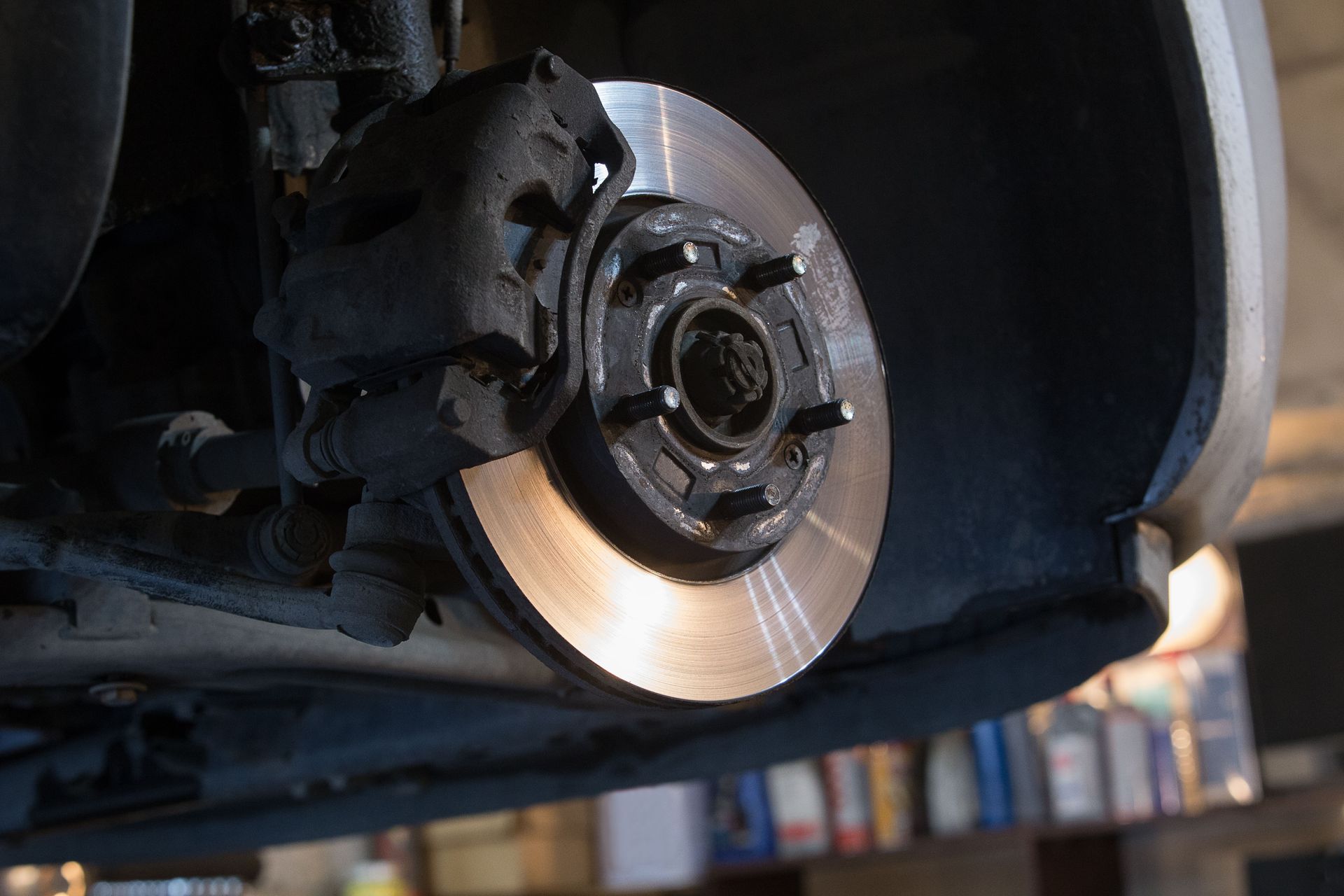
Allowing known mechanical compromises to persist places the vehicle owner, passengers, and surrounding motorists in continuous danger. Safety-critical assemblies—including emergency braking components, steering linkages, and supplemental restraint systems—demand absolute operational precision to perform correctly during a collision or evasive maneuver.
Delaying necessary hydraulic lines or pad overhauls can result in sudden, catastrophic failure on the highway. Safe driving practices are entirely dependent on structural integrity, making immediate technical inspections an absolute necessity.
Preserving Overall Vehicle Longevity
The ultimate operational working life of a modern internal combustion engine or hybrid drivetrain depends directly on the speed of regular maintenance interventions. Scheduling immediate auto repairs when sensor codes trigger ensures that critical internal lubrication and temperature control loops remain perfectly balanced.
A vehicle that receives consistent, prompt care delivers dependable performance, resists early powertrain degradation, and retains its physical reliability far longer, protecting your primary mobility investment from premature replacement costs.
Controlling Environmental Emissions Footprints
Operating a vehicle that suffers from poor fuel regulation or a compromised exhaust system carries severe environmental penalties. A malfunctioning oxygen sensor or a leaking exhaust gas recirculation valve alters the engine's air-fuel mixture, causing the motor to burn excess fuel and release toxic particulates into the atmosphere.
Responsible vehicle ownership requires ensuring that your car's primary emissions systems comply perfectly with regional environmental standards, making rapid part replacements essential for minimizing your carbon footprint.
Identifying Signs That Require Immediate Attention
Modern vehicles communicate underlying mechanical stress through distinct auditory indicators. High-pitched metallic squeals during braking frequently point to worn friction pads, while deep, rhythmic clunking noises over bumps signal failing suspension struts or worn ball joints.
Ignoring these physical indicators introduces severe roadside risks, as these sounds mark the final operational stages of failing components. Attuned drivers track these acoustic shifts carefully to schedule inspections and auto repairs before a part breaks entirely.
Responding to Dashboard Warning Illuminations
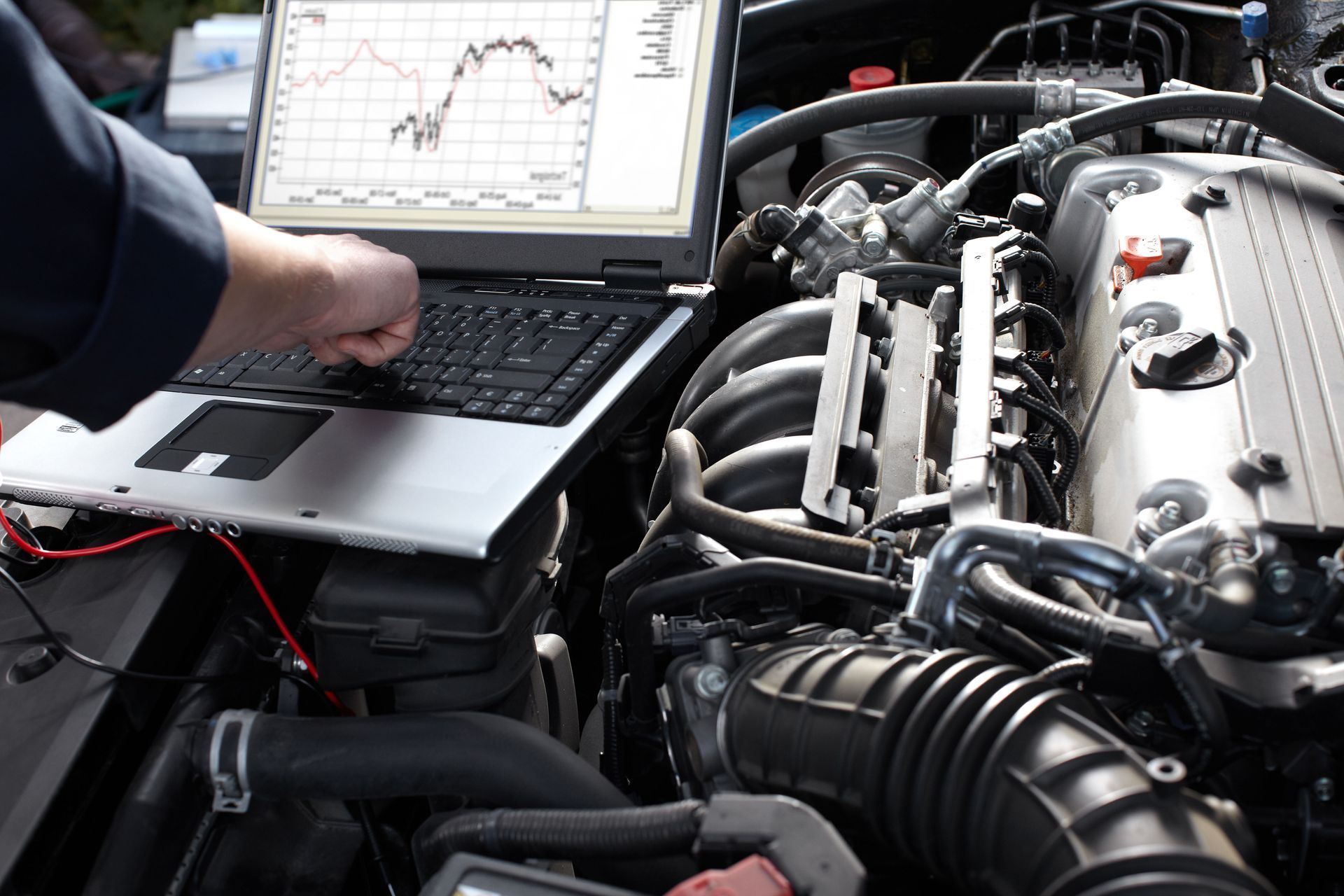
The computerized diagnostic networks inside modern vehicles function as an early warning system to flag electronic and mechanical deviations instantly. When a flashing check engine light, anti-lock brake indicator, or oil pressure symbol populates the instrument cluster, it means the onboard modules have recorded a fault that exceeds safe operating parameters.
Ignoring these digital warnings can allow minor sensor errors to damage expensive internal components like catalytic converters or valve trains, making rapid scan-tool evaluations vital.
Tracking Under-Carriage Fluid Leaks
Discovering fluid accumulations beneath a parked vehicle serves as a clear indicator of a breached high-pressure line or failing gasket seal. Dark amber or black puddles usually point to an engine oil leak, bright neon green or pink liquids indicate a cooling system failure, and reddish, viscous fluids mark a transmission or power steering breach.
Allowing system fluids to drop below safe operational levels leads to severe friction indexing, mechanical overheating, and total engine block seizure, highlighting why leak tracing must be executed immediately.
Capitalizing on the Benefits of Prompt Service
Routine system maintenance and prompt auto repairs keep the engine operating at its factory-designed efficiency matrix. Simple corrections, such as replacing a clogged intake filter, installing fresh spark plugs, or correcting a stuck brake caliper, eliminate parasitic drag across the drivetrain. Restoring this smooth mechanical movement allows the vehicle to travel further on every gallon of fuel, insulating your household budget from volatile fuel prices.
Stabilizing Vehicle Resale Value
Automobiles that are supported by an exhaustive, chronologically organized folder of professional service invoices consistently command premium pricing on the secondary market. Discerning private buyers and commercial dealerships look for proof of consistent care, recognizing that a vehicle backed by documented upkeeps represents a lower mechanical risk. Managing your service items punctually allows you to preserve your vehicle's book value, turning consistent maintenance into an equity asset.
Navigating Common Automotive Misconceptions
A widespread behavioral mistake among vehicle owners is viewing routine vehicle maintenance as a pure financial loss rather than a calculated asset investment. Forgoing minor filter changes or regular fluid flushes to save short-term cash allows friction and thermal stress to destroy internal mechanical tolerances. Shifting your financial perspective allows you to view consistent upkeep as a defensive shield that blocks high-cost component failures down the road.
Rejecting the High-Risk "Wait and See" Approach
Many motorists adopt a reactive posture toward vehicle care, choosing to ignore minor operational vibrations or faint dashboard alerts in the hope that the issue will fix itself over time. Unfortunately, mechanical faults never self-correct; minor alignment deviations will unevenly wear out a set of tires within months, and slight cooling leaks will gradually overheat the cylinder head. Taking a proactive stance prevents these compounding damages, ensuring your car remains fully operational and safe.
Restoring a modern vehicle to factory performance specifications requires a detailed combination of electrical engineering knowledge, diagnostic precision, and computerized field equipment. From interpreting complex diagnostic trouble codes to balancing high-performance steering networks, every phase of automotive service demands advanced mechanical training to ensure public safety on the road. Entrusting your personal or commercial fleet vehicles to a certified facility ensures your transportation assets conform perfectly to manufacturer requirements.
ABC Auto Works provides the advanced scanning technologies, master mechanics, and transparent repair pricing necessary to optimize your vehicle's mechanical health. Our established facility specializes in delivering comprehensive automotive care and auto repairs. We work closely with our clients to track recurring maintenance cycles, executing accurate component adjustments that restore your car's fuel efficiency and protect your family from unexpected breakdowns. If you have noticed an unusual vibration, a pooling fluid leak on your driveway, or an active alert light on your dashboard, contact ABC Auto Works today to schedule an expert technical evaluation and secure a high-performance lifecycle for your auto repairs.