March 2, 2026
Vehicle ownership comes with the responsibility of regular maintenance and occasional fixes. No matter how reliable a car may seem, wear and tear are inevitable. Understanding the most common auto repairs can help drivers anticipate issues, reduce unexpected expenses, and extend the life of their vehicles. When drivers are informed, they are better equipped to respond quickly to warning signs and avoid more serious mechanical failures.
Breakdowns are more common than many motorists realize. According to Look up a Plate, approximately 1-in-3 American drivers are affected by vehicle breakdowns. This statistic underscores the importance of proactive maintenance and timely repairs. By recognizing patterns in the most frequent mechanical issues, vehicle owners can make smarter decisions about care, budgeting, and service scheduling. The following sections explore the most common auto repairs, why they occur, and how they can be addressed effectively.
Repairing the Brake System
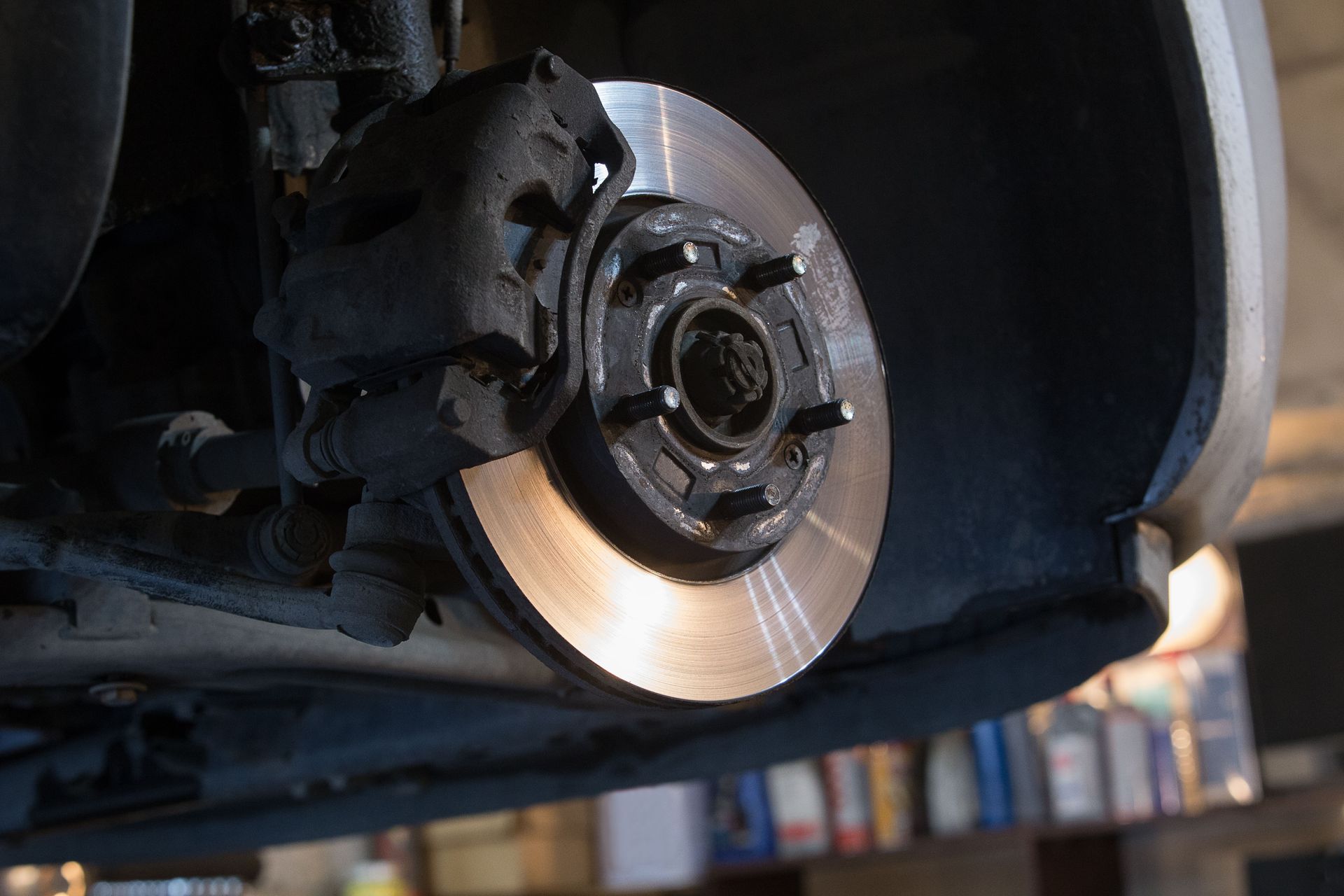
Brake issues rank among the most frequent auto repairs performed by professional mechanics. Brake pads, rotors, and calipers experience continuous friction every time a driver slows down or stops. Over time, brake pads wear thin and must be replaced to maintain safe stopping power. Ignoring squealing, grinding noises, or a vibrating brake pedal can lead to more costly damage, including warped rotors or compromised calipers.
Routine brake inspections are critical for preventing dangerous situations. According to industry professionals, it is recommended to replace brake pads every 30,000 to 70,000 miles, depending on driving habits and vehicle type. City driving, with frequent stops and starts, accelerates wear.
Timely attention to brake issues not only ensures safety but also prevents minor problems from escalating into major repairs. Because brakes are fundamental to vehicle safety, they remain one of the most common auto repairs addressed during routine service visits.
Replacing the Battery and Electrical Issues
A dead or failing battery is another leading cause of vehicle trouble. Many drivers experience the frustration of turning the key—or pressing the ignition button—only to hear silence. Car batteries typically last between three and five years, but extreme temperatures and frequent short trips can shorten their lifespan.
In addition to battery replacement, electrical system repairs are increasingly common in modern vehicles. Advanced electronics, infotainment systems, sensors, and onboard computers rely heavily on stable electrical performance. Faulty alternators, corroded battery terminals, or worn wiring can all contribute to system failures.
Given that approximately 1-in-3 American drivers are affected by vehicle breakdowns, electrical problems often play a significant role. Regular battery testing and inspection of charging systems can prevent inconvenient roadside emergencies and reduce the need for urgent auto repairs.
Scheduling Engine and Ignition System Repairs
Engine-related problems can range from minor sensor malfunctions to major mechanical failures. Spark plugs, ignition coils, and fuel injectors are components that commonly require replacement over time. When these parts wear out, drivers may notice rough idling, decreased fuel efficiency, or difficulty starting the vehicle.
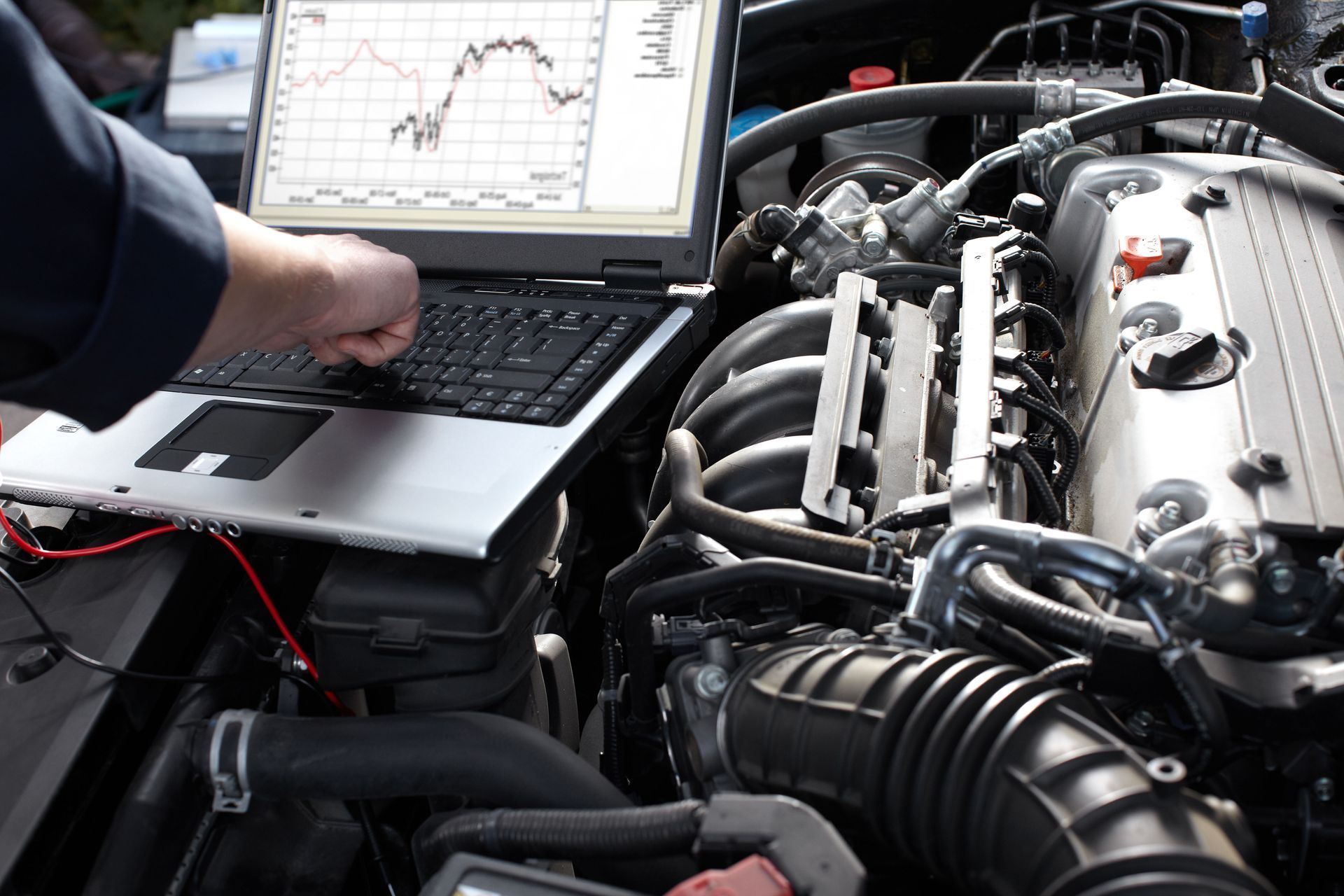
The check engine light is one of the most misunderstood dashboard indicators. While it can signal something minor—such as a loose gas cap—it may also indicate more serious concerns involving oxygen sensors, catalytic converters, or mass airflow sensors. Prompt diagnostic testing can identify the root cause before further damage occurs.
Engine repairs often become costly when neglected. Staying current with oil changes, fluid checks, and scheduled tune-ups helps minimize unexpected breakdowns. Preventive maintenance significantly reduces the likelihood of major auto repairs that could otherwise impact both performance and budget.
Discussing Transmission Repairs
Transmission problems are among the more complex and potentially expensive auto repairs. The transmission controls the transfer of power from the engine to the wheels, enabling smooth gear shifts and optimal performance. Symptoms of transmission trouble include slipping gears, delayed shifting, fluid leaks, or unusual noises during acceleration.
Automatic transmissions require regular fluid changes to maintain lubrication and prevent overheating. Manual transmissions also require clutch maintenance, as worn clutch plates can result in poor engagement and drivability issues. Ignoring early warning signs may lead to complete transmission failure, which can be costly to repair or replace.
Given the financial implications of transmission work, proactive servicing is essential. Routine inspections and fluid maintenance reduce the risk of catastrophic failure and help drivers avoid joining the growing number of motorists affected by vehicle breakdowns.
Cooling System Repairs
The cooling system plays a vital role in regulating engine temperature. Radiators, water pumps, thermostats, and hoses all work together to prevent overheating. When any component fails, the engine can quickly reach dangerous temperature levels, leading to severe internal damage.
Coolant leaks are a frequent issue. Drivers may notice puddles beneath the vehicle or rising temperature gauges while driving. Replacing worn hoses or a malfunctioning thermostat is far less expensive than repairing a cracked engine block caused by overheating.
Because overheating can lead to significant engine damage, cooling system service is one of the most critical preventative auto repairs. Routine coolant flushes and inspections ensure the system operates efficiently, especially during extreme weather conditions.
Steering and Suspension Repair
Suspension and steering components endure constant stress from uneven roads, potholes, and daily driving conditions. Shock absorbers, struts, ball joints, and tie rods gradually wear out, affecting vehicle stability and ride comfort.
Drivers experiencing excessive bouncing, uneven tire wear, or difficulty steering should seek professional inspection. Worn suspension parts compromise not only comfort but also safety. Steering issues can reduce control and increase stopping distances.
Because many drivers underestimate the importance of suspension maintenance, these issues often go unnoticed until performance deteriorates significantly. Addressing suspension concerns promptly prevents further strain on related systems and reduces the need for additional auto repairs in the future.
Recognizing Exhaust System Repairs
The exhaust system directs harmful gases away from the engine and reduces emissions. Components such as mufflers, catalytic converters, and exhaust pipes are subject to corrosion, particularly in regions with harsh winters or salted roads.
A loud rumbling noise, decreased fuel efficiency, or a failed emissions test may indicate exhaust system trouble. Catalytic converter replacement can be costly, but early detection of minor leaks or rusted components helps control expenses.
With emissions regulations becoming increasingly strict, maintaining the exhaust system is both a mechanical and environmental responsibility. Routine inspections reduce the likelihood of unexpected failures and contribute to overall vehicle efficiency.
Utilizing Tire and Alignment Services
Tires are the only point of contact between a vehicle and the road, making their maintenance essential. Uneven tread wear, improper inflation, and misalignment can all affect handling and fuel economy. Tire rotations, balancing, and wheel alignments are among the most routine auto repairs performed at service centers.
Misaligned wheels may cause the vehicle to pull to one side or result in uneven tire wear. Addressing alignment issues early extends tire life and improves driving safety. Considering that approximately 1-in-3 American drivers are affected by vehicle breakdowns, neglected tires often contribute to roadside incidents.
Regular tire inspections and maintaining proper air pressure are simple yet effective measures that reduce repair frequency and enhance overall vehicle reliability.
Moving Forward with Air Conditioning and Climate Control Repairs
Climate systems are frequently overlooked until they fail. Air conditioning issues are especially common in warmer climates. Refrigerant leaks, compressor failures, and clogged cabin air filters can all impair system performance.
While these issues may not always immobilize a vehicle, they significantly affect comfort and driver concentration. Prompt diagnosis and repair ensure a pleasant driving experience and prevent minor problems from escalating into more extensive system damage.
As vehicles become more technologically advanced, even climate control systems involve electronic components that require professional expertise. Preventive inspections reduce the need for major auto repairs related to comfort systems.
Addressing minor concerns before they escalate not only saves money but also enhances reliability and peace of mind. Ultimately, understanding the most frequent auto repairs empowers drivers to take a proactive approach to vehicle ownership. With consistent maintenance and timely professional service, motorists can extend the life of their vehicles, improve safety, and navigate the road with confidence. If you are seeking an experienced auto repair shop in the Boston, MA area, contact ABC Auto Works today.